The world’s largest online family history resource - Start now


RECENT POSTS
-
Understanding Civil Records in Germany -
Following Eastern Ukrainian DNA to North Dakota, USA -
How to Uncover the Women Who Built History -
Tracing the Legacy of Historically Black Colleges and Universities
GET THE LATEST
New posts + monthly newsletter.
RECENT POSTS
GET THE LATEST
New posts + monthly newsletter.
Key Takeaways
- Musical skills and talent are likely a combination of nature and nurture, including cultural traditions and access to instruments.
- Certain qualities are influenced by genetics, including absolute pitch, rhythmic ability, and playing music by ear.
- Hard work, determination, and practice can go a long way in developing musical skills, even without a genetic edge.
When family birthdays or seasonal holidays come around, does someone in the family usually bring out a guitar? Gather others around the piano? Maybe family gatherings include Grandpa and your sister drumming their hands on the table to the beat of the music—unable to resist it. You might also have fond memories of Mom and Grandma singing songs together as they baked cookies or got ready for a family party.
Being part of a musical family isn’t limited to professional musicians. Musical expression can play a deeply meaningful part in anyone’s personal life and family traditions spanning generations. Still, the aptitude for music might come through genetics—something that could be revealed through an AncestryDNA + Traits test. But it’s more likely that musical skills and talent are a combination of nature and nurture.
The Complex Nature of Musical Talent
People with musical abilities are likely to have a combination of traits and skills that enable them to carry a tune either vocally or through an instrument. Some of those traits may have come through genetics—they may have been born with certain traits related to musical expression. According to scientific studies, the following qualities are influenced, in part, by genetics:
Absolute pitch is strongly influenced by genetics. Someone with a predisposition for absolute pitch can accurately identify a specific pitch or note's frequency without requiring another note for reference.
Rhythmic ability can help carry the beat of a tune. Genome-wide association studies of over 600,000 volunteers revealed a strong connection between DNA and rhythm.
Playing music by ear is about the ability to hear a song and then reproduce it without any sheet music or written notation.
Hand-eye coordination is essential for instrumentalists, who often need to simultaneously read music and play their instrument, especially when first learning a song. Even if you don't play the same instrument as one of your relatives, you may have inherited the ability that lets your fingers fly across a keyboard.
How Musical Families are Made
But no one picks up an instrument for the first time and plays it perfectly. Cultural traditions, access to instruments at a young age, and training—whether formal or informal—are hugely important.
Your family’s cultural heritage may influence how music is used in everyday life for work, play, rituals, and spiritual practices. Some traditional tunes may evoke a sense of celebration, joy, or triumph, as well as sorrow or even defiance.
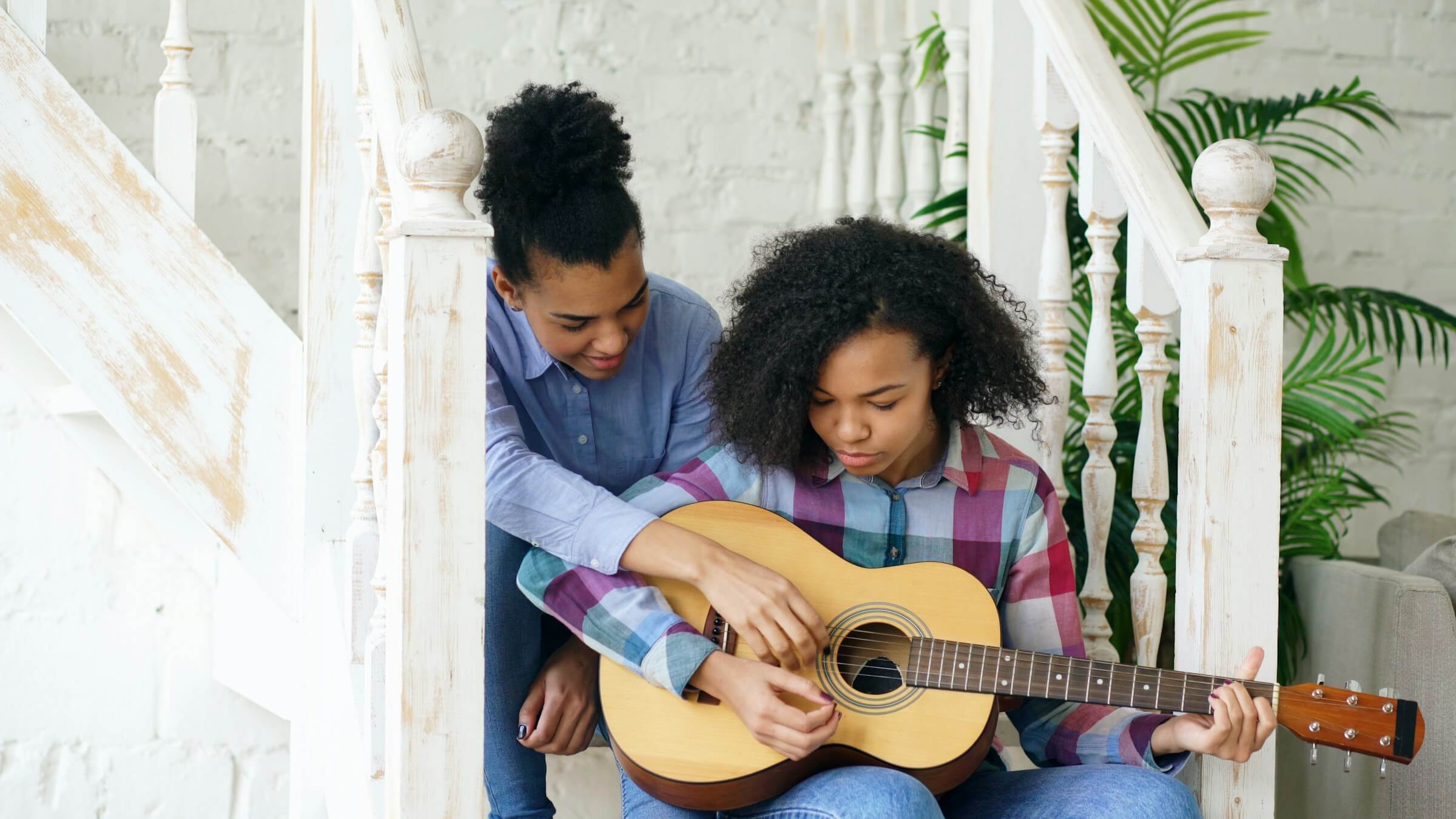
Family traditions around music can also be a meaningful way to bond because of its emotional expression. It may be singing the same calming lullabies to your child that your parents sang to you, or it might be a special song that’s always used at family weddings. An older brother might help his younger sister learn how to play a song on the keyboard.
Whether or not genetics may have given you an edge in musical talent, it’s still possible to learn skills through formal instruction. Hard work, determination, and practice, practice, and more practice can go a long way in developing musical skills!
Whether or not formal music instruction is part of your family tradition, you can still foster musical experiences in your family by attending cultural events together or creating playlists for family activities. You might even make chores less tedious by playing “pump it up” tunes—a good dose of silliness can lighten the mood.

 Click image to expand view
Popular Musical Families
Even if your family isn’t known for its musical talent, you can still marvel at those who do have a high level of expertise. Musical talent in families has been evident throughout history and across cultures and genres, including pop, folk, classical, R&B, jazz, country, and more. Here are just a few examples of musical siblings, composers across generations, and parents and children who performed together.
The Bach family, best known for Johann Sebastian Bach, spanned seven generations of expert musicians.
The Jacksons
The Beach Boys
The Bee Gees
The Marsalis Family
The Carter-Cash Family
The Kanneh-Masons
Bob and Ziggy Marley
The Pointer Sisters
The Osmonds
The Wainwrights
The Knowles Sisters
The Jonas Brothers
But you might find musical and performance skills in members of your extended family. For example, Dolly Parton and Miley Cyrus are distant cousins—seventh cousins, once removed.
 La famille de musiciens Casadesus, La Roche-sur-Yon - Les Sables-d'Olonne. 1910. via Wikimedia Commons
The idea of musical families holds a lot of truth to it—parents passing along to their children an affinity for music. Are you curious about whether musical talent might be part of your genetic heritage? Take an AncestryDNA + Traits test to discover if you have genes associated with musical talent. (If you already have taken an AncestryDNA test and have an Ancestry membership, your traits results are available to review.) To see what records you can uncover about your family, sign up for an Ancestry free trial. You might just discover “musician” noted as the occupation on one of your ancestor’s records.
-
https://www.sciencedirect.com/science/article/pii/S0149763423002713
https://feinstein.northwell.edu/institutes-researchers/institute-molecular-medicine/robert-s-boas-center-for-genomics-and-human-genetics/absolute-pitch-and-related-cognitive-traits
https://www.jax.org/news-and-insights/jax-blog/2018/may/complex-genetics-of-musical-talent
https://commonfund.nih.gov/newinnovator/highlights/can-your-genes-feel-beat
https://news.berkeley.edu/2020/01/06/music-evokes-13-emotions/
https://www.tandfonline.com/doi/abs/10.1080/14613808.2021.1929139
https://files.eric.ed.gov/fulltext/EJ912405.pdf
https://www.aco.com.au/news/2022-june/the-bach-dynasty
Image 1: https://unsplash.com/photos/two-girls-learning-to-play-guitar-together-QqnVuTQrtJ0
Image 2: https://www.newspapers.com/image/799884720
Image 3: https://commons.wikimedia.org/wiki/File:Casadesus_family_1900_photo_Amiaud_PF.jpg
RELATED POSTS
-
 13 March 2026Understanding Civil Records in Germany
6 MIN READ
-
 10 March 2026Following Eastern Ukrainian DNA to North Dakota, USA
3 MIN READ
-
 04 March 2026How to Uncover the Women Who Built History
3 MIN READ
-
 26 February 2026Tracing the Legacy of Historically Black Colleges and Universities
5 MIN READ
-
 24 February 2026Finding Your Roots: “Artistic Roots” with Spike Lee and Kristin Chenoweth
2 MIN READ
-
 23 February 2026Looking Ahead to RootsTech 2026, Reflecting on 2025 Achievements
3 MIN READ
-
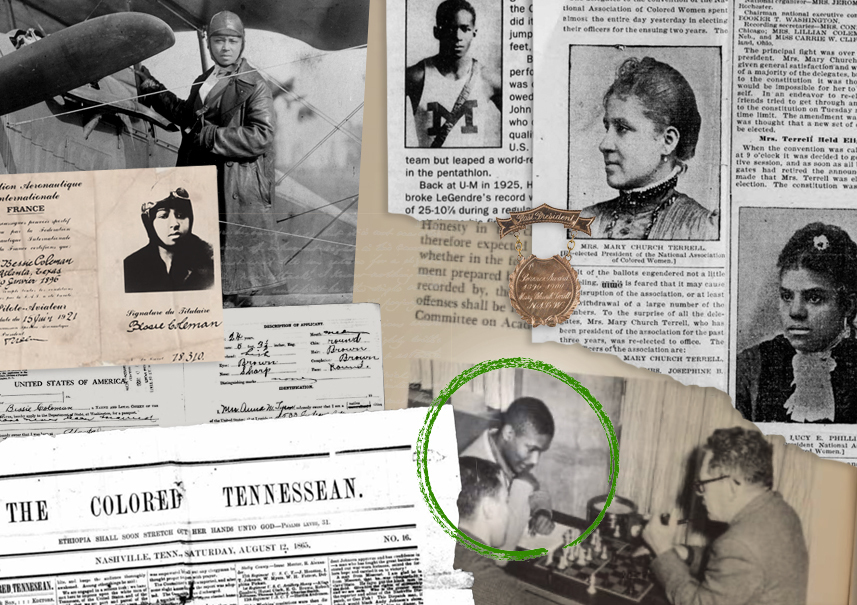 19 February 2026Discover Stories of Black History in Your Family Tree This Month
3 MIN READ
-
 17 February 2026Finding Your Roots: “Family Harmonies” with Flea and Lizzo
2 MIN READ
-
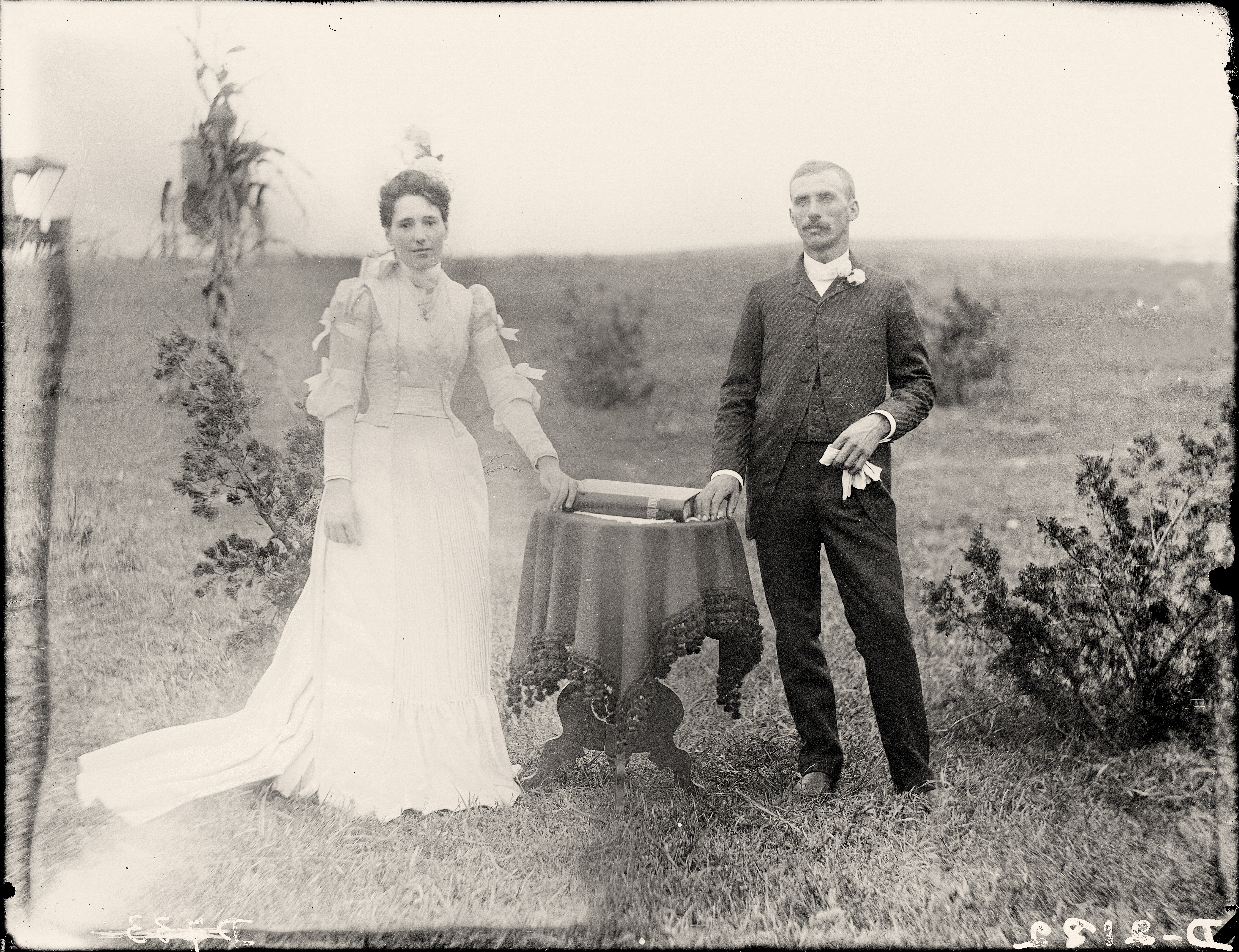 13 February 2026Did Your Great-Grandparents Date Through the Newspaper?
3 MIN READ
-
 10 February 2026Finding Your Roots: “Westward Bound” with Sara Haines and Tracy Letts
2 MIN READ
-
 08 February 2026Webinar Series: Researching African American Ancestors
2 MIN READ
-
 05 February 2026Finding Your Roots: “Love & Basketball” with Brittney Griner and Chris Paul
2 MIN READ
-
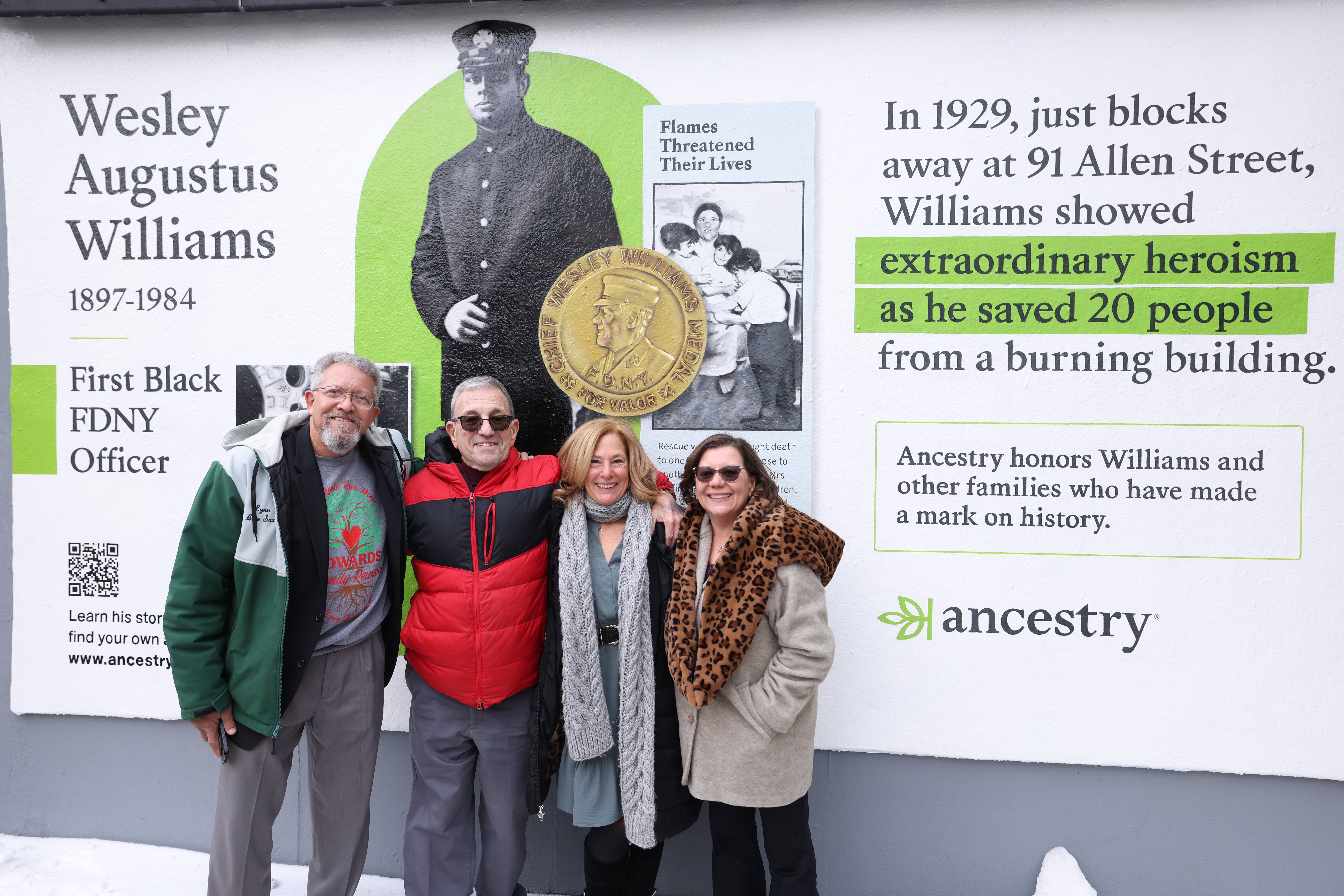 03 February 2026Ancestry Reunites Descendants of FDNY Hero and the Family He Saved
2 MIN READ
-
 27 January 2026Finding Your Roots: “The Road We Took” with Lizzy Caplan and Hasan Minhaj
2 MIN READ
-
 23 January 2026Honoring the Unforgettable: A Personal Path to Remembrance
2 MIN READ
-
 20 January 2026Finding Your Roots: “Caribbean Roots” with Liza Colón-Zayas and Delroy Lindo
2 MIN READ
-
 16 January 2026Celebrating Martin Luther King Jr. Day
3 MIN READ
-
 13 January 2026Finding Your Roots: “Great Migrations” with Wiz Khalifa and Sanaa Lathan
2 MIN READ
-
.jpg) 02 January 2026Finding Your Roots Season 12 Premiere
02 January 2026Finding Your Roots Season 12 Premiere2 MIN READ
-
 26 December 2025The Emancipation Proclamation and the Abolition of Slavery
5 MIN READ
-
 19 December 2025Using New Ancestral Journeys to Explore Your Latin American and Iberian Roots
5 MIN READ
-
 12 December 2025Family Traditions and Musical Expression
3 MIN READ
-
 05 December 2025Identifying Your French Ancestor's Birthplace in U.S. Records
5 MIN READ
-
 25 November 2025The Infinite Explorer: New Series on the Secret Threads that Shape Our World
2 MIN READ
-
 21 November 2025Virtual Travel as a Holiday (or Anytime) Gift
2 MIN READ