The world’s largest online family history resource - Start now


RECENT POSTS
-
Did Your Great-Grandparents Date Through the Newspaper? -
Finding Your Roots: “Westward Bound” with Sara Haines and Tracy Letts -
Webinar Series: Researching African American Ancestors -
Finding Your Roots: “Love & Basketball” with Brittney Griner and Chris Paul
GET THE LATEST
New posts + monthly newsletter.
RECENT POSTS
GET THE LATEST
New posts + monthly newsletter.
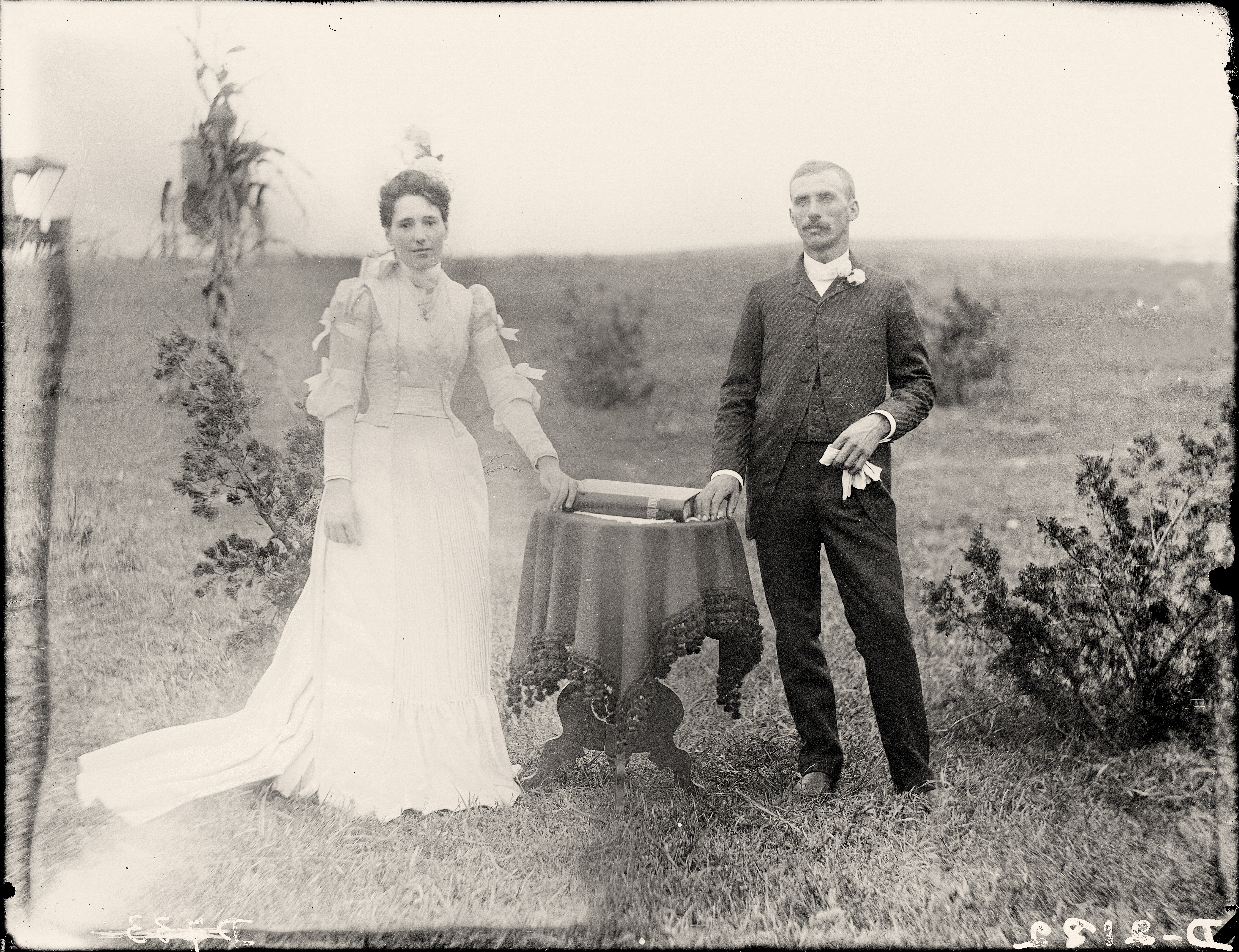
Online dating is a popular way of meeting a significant other these days, but it’s possible that your own ancestors courted in a similar way—yet through newspaper ads instead of apps!
It’s surprising how long people have been advertising to find love and a long-term relationship. Beginning in the late 17th century, “matrimonial agencies” placed ads in English newspapers for men seeking a spouse—though any resulting couples probably didn’t speak openly about how they met, as it didn’t follow conventional courtship practices.
Looking for Love in the 1800s and 1900s
In the United States, Canada, Australia, and New Zealand during the 1800s, it was not uncommon for lonely homesteaders, pioneers, or farmers looking to settle in rural, frontier areas to advertise for wives in newspapers further afield. Men in the American West and Canadian West might advertise in cities on the East Coast, while frontiersmen in Queensland, Australia, might place an ad in a Brisbane paper.
So how did these personal ads work? Women looking to get away from their current circumstances, or perhaps just curious and seeking adventure, responded with letters and sometimes a photo. Entire courtships were sometimes conducted by post. Some culminated in the woman agreeing to marriage and traveling to join a fiancé she’d not yet met in person.
Patricia MacLachlan’s historical children’s novel, Sarah, Plain and Tall, explored this topic. Sarah left her seaside home in Maine for Kansas to help a widower with his farm and children and to see if they were a good match. She could make up her own mind, and—spoiler alert—ultimately she chose to stay, and they married.
Lonely hearts ads continued into the 19th and 20th centuries. Social norms frowned upon being single much past one’s early twenties, as marriage was the cultural expectation. But those who placed matrimonial ads weren’t looking only for a helpmate—character and likemindedness also mattered. An ad, like the one pictured below, might highlight a man’s prospects and lay out what he was looking for in some detail in the hopes that it might attract a suitable partner.
 New York Times, April 15, 1862, Ancestry.com
Some unmarried men and women used “matrimonial bureaus,” which advertised for them for a fee. From the Cincinnati Enquirer on April 23, 1899:
A little widow 33, worth $38,000, would marry; also widow 45, worth $20,000. Description sent for stamp. Largest Matrimonial Bureau in existence. Wellman, 304 W. 27th St., New York.
A widower of 30, wife dead, of good family, good looking, temperate, kind, affectionate disposition, educated, would marry lady with means. Address F 30, Enquirer.
Pretty young working girl, good housekeeper and some money, wants to marry nice, industrious man; age no difference. Address K 28, Enquirer.
And in the July 20, 1913, San Francisco Chronicle:
A gentleman with good salary, alone, healthy, middle-aged, Christian, would like to meet a moral, Christian lady that can help in office, typewrite, shorthand and be generally useful in meeting refined people; matrimony if congenial. Box 256, Chronicle branch, Oakland.
A young Scandinavian woman in good business wishes acquaintance of clean, steady man between 30-35; give full particulars in answer; of means preferred; if suited, matrimony. Box 1698, Chronicle.
Bachelor, American, middle-aged, well off, with highest business and social position, refined, traveled, will correspond in strictest confidence, with view to matrimony, with maiden or widow about 30; absolutely essential unexceptional family and equal position; attractive personality. Box 1759, Chronicle.
In the age of the internet, old-fashioned newspaper ads have morphed into almost countless online matchmaking sites. The concept has evolved, and along the way, so has the mainstream understanding of all the ways there are to find a partner.
 The Oregonian, June 1, 1889; Newspapers.com
We may never know if our ancestors met by answering an ad. But one thing we can check is whether their engagement or marriage was announced in the newspaper.
The Newspapers.com™ Marriage Index collections available on Ancestry include more than 300 million records that celebrate love and new partnerships. One of these collections may help you locate an announcement of your ancestors’ marriage:
UK and Ireland, Newspapers.com™ Marriage Index, 1800s-current
Australia and New Zealand, Newspapers.com™ Marriage Index, 1800s-current
See what you can discover about your ancestors’ courtships and marriages with a free trial on Ancestry.
RELATED POSTS
-
 13 February 2026Did Your Great-Grandparents Date Through the Newspaper?
3 MIN READ
-
 10 February 2026Finding Your Roots: “Westward Bound” with Sara Haines and Tracy Letts
2 MIN READ
-
 08 February 2026Webinar Series: Researching African American Ancestors
2 MIN READ
-
 05 February 2026Finding Your Roots: “Love & Basketball” with Brittney Griner and Chris Paul
2 MIN READ
-
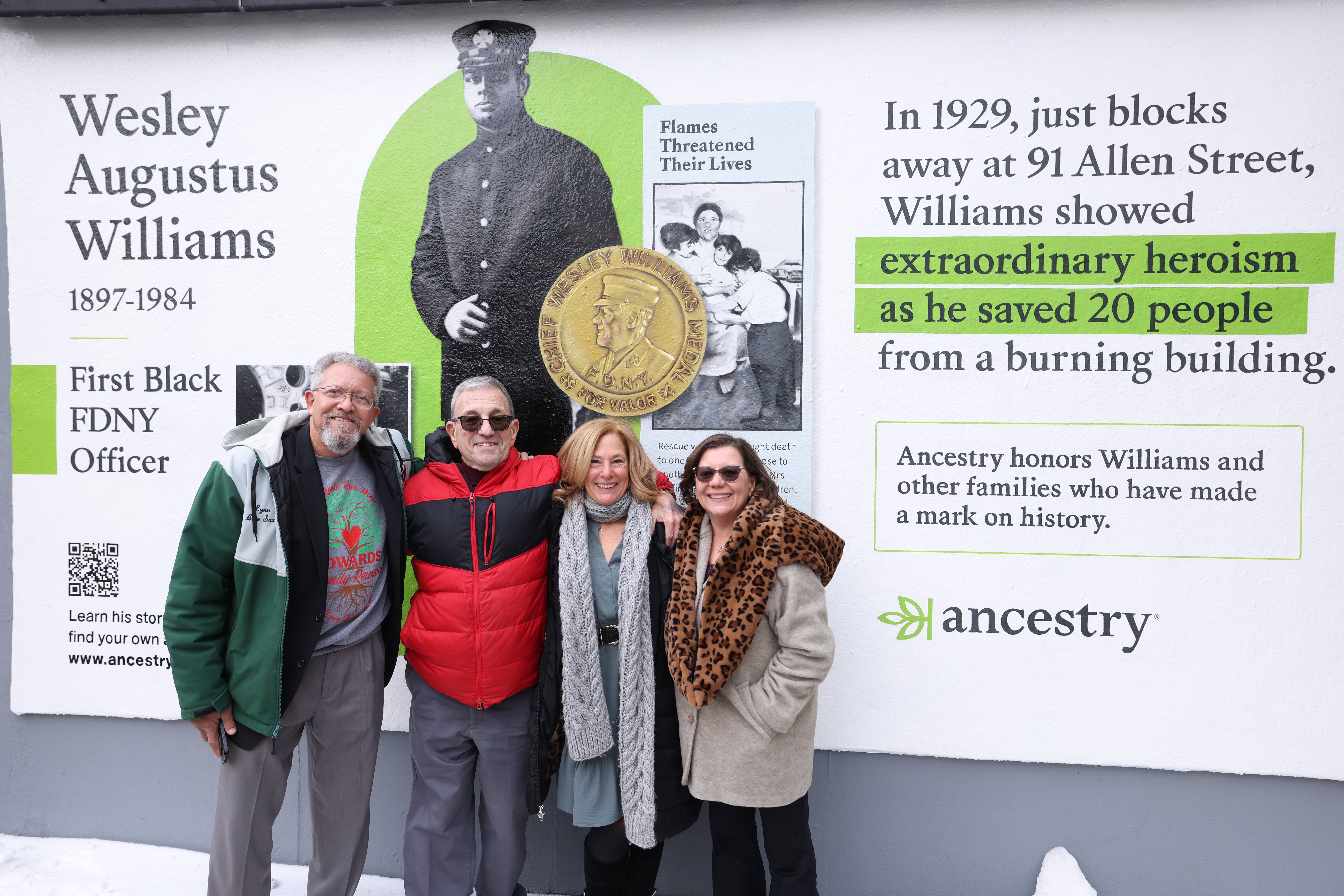 03 February 2026Ancestry Reunites Descendants of FDNY Hero and the Family He Saved
2 MIN READ
-
 27 January 2026Finding Your Roots: “The Road We Took” with Lizzy Caplan and Hasan Minhaj
2 MIN READ
-
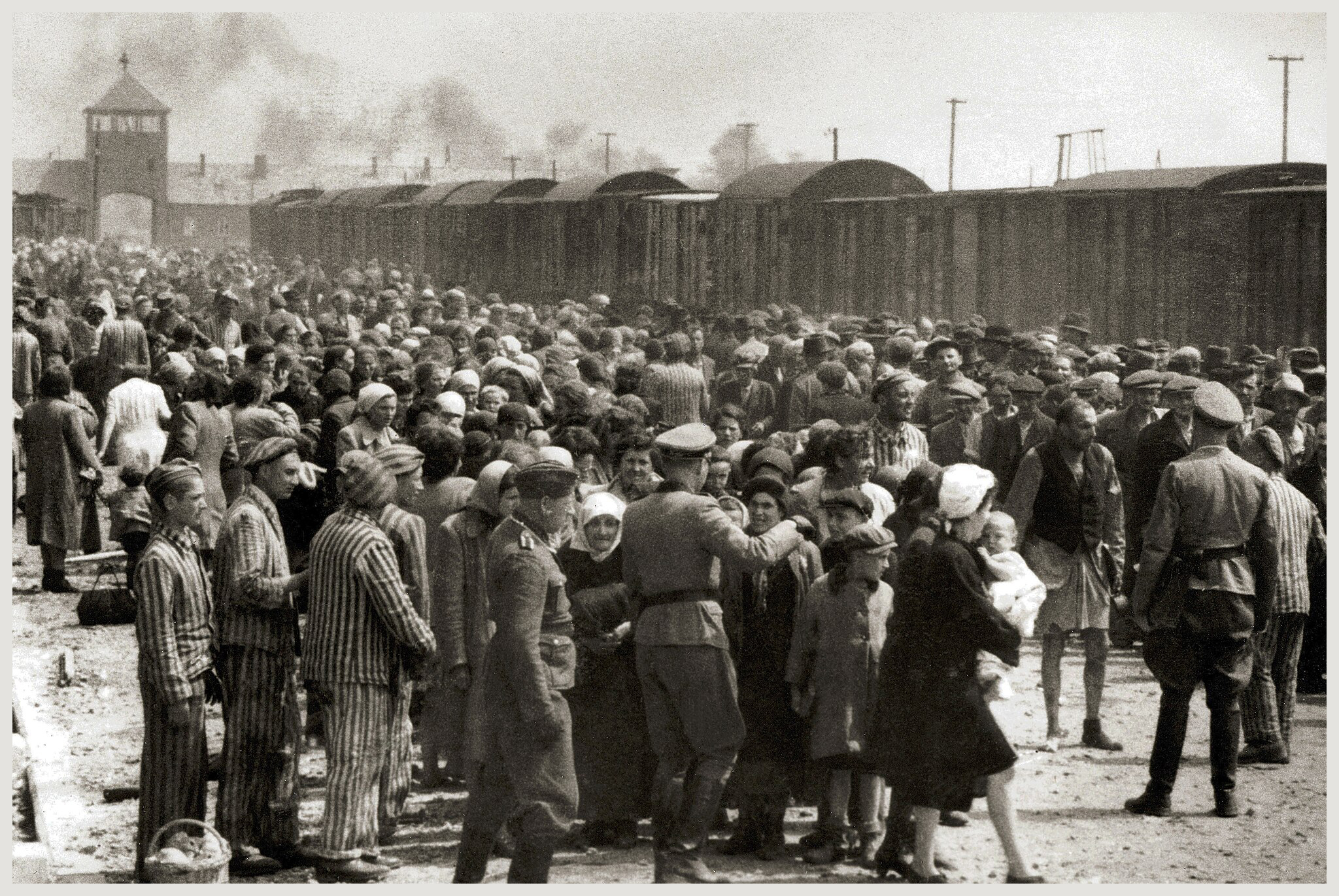 23 January 2026Honoring the Unforgettable: A Personal Path to Remembrance
2 MIN READ
-
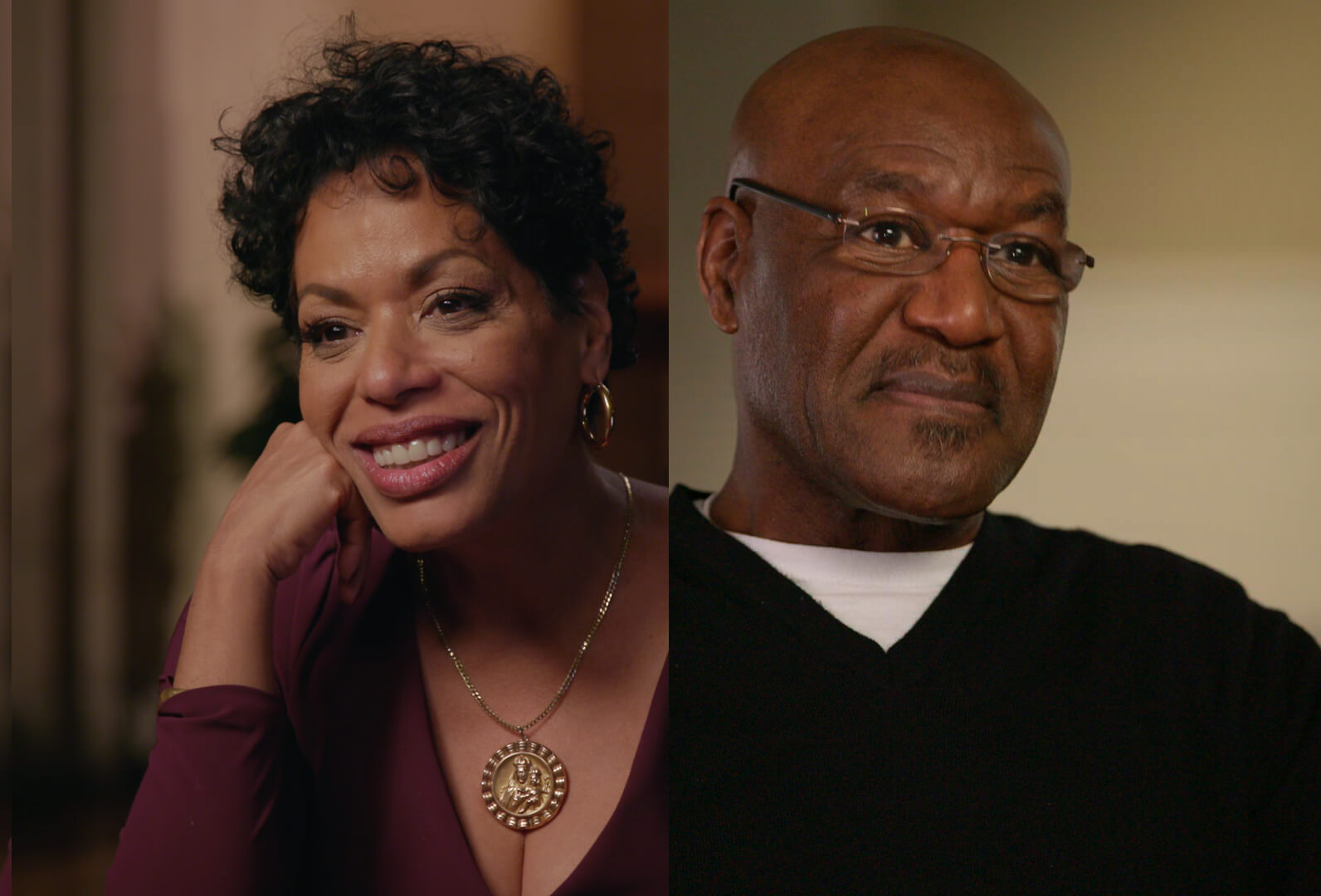 20 January 2026Finding Your Roots: “Caribbean Roots” with Liza Colón-Zayas and Delroy Lindo
2 MIN READ
-
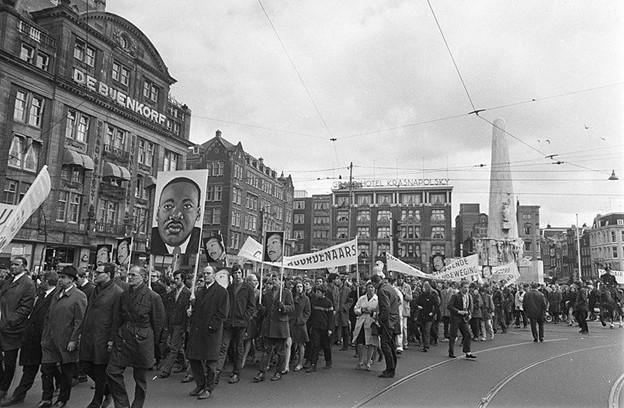 16 January 2026Celebrating Martin Luther King Jr. Day
3 MIN READ
-
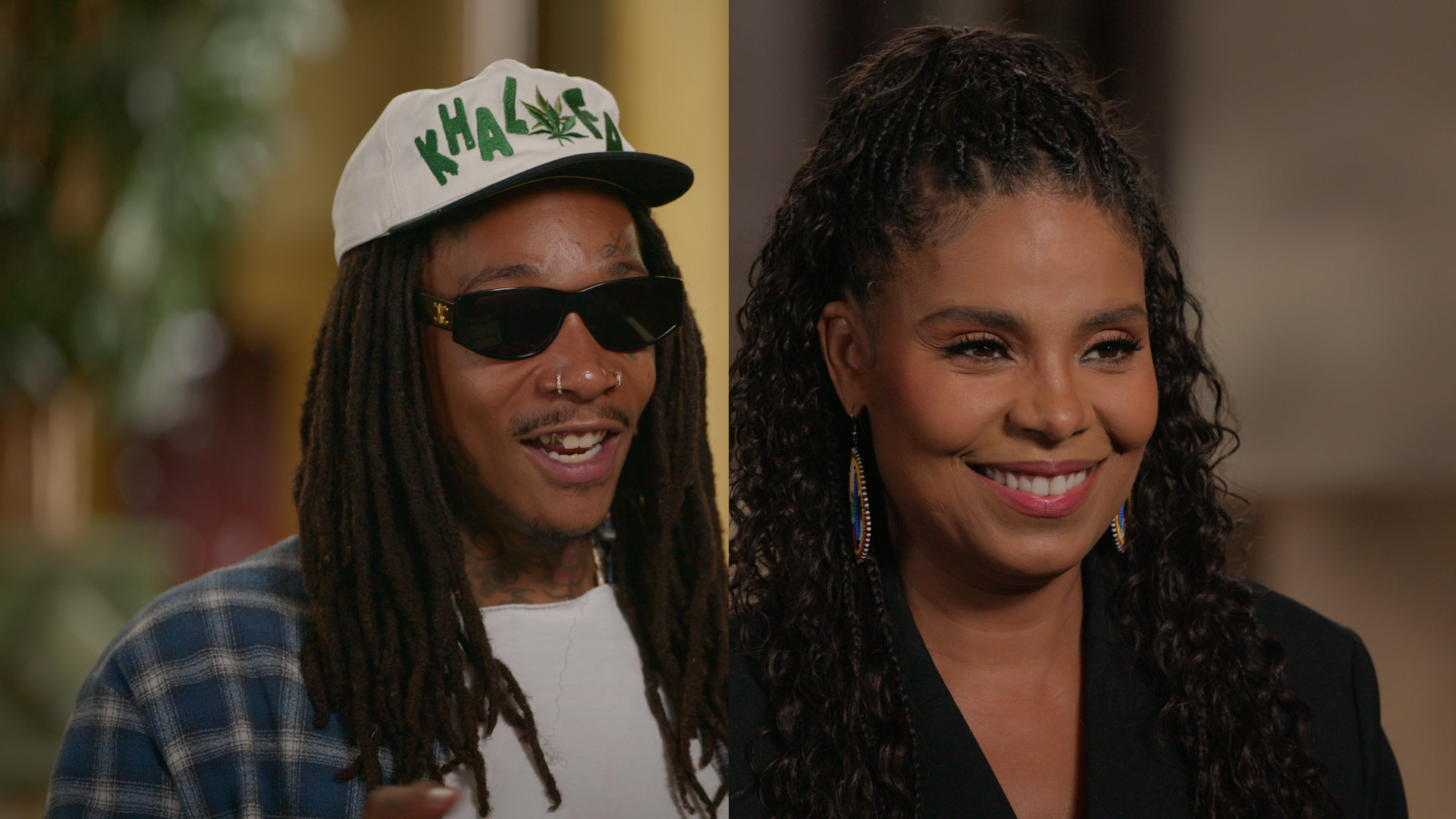 13 January 2026Finding Your Roots: “Great Migrations” with Wiz Khalifa and Sanaa Lathan
2 MIN READ
-
.jpg) 02 January 2026Finding Your Roots Season 12 Premiere
02 January 2026Finding Your Roots Season 12 Premiere2 MIN READ
-
 26 December 2025The Emancipation Proclamation and the Abolition of Slavery
5 MIN READ
-
 19 December 2025Using New Ancestral Journeys to Explore Your Latin American and Iberian Roots
5 MIN READ
-
 12 December 2025Family Traditions and Musical Expression
3 MIN READ
-
 05 December 2025Identifying Your French Ancestor's Birthplace in U.S. Records
5 MIN READ
-
 25 November 2025The Infinite Explorer: New Series on the Secret Threads that Shape Our World
2 MIN READ
-
 21 November 2025Virtual Travel as a Holiday (or Anytime) Gift
2 MIN READ
-
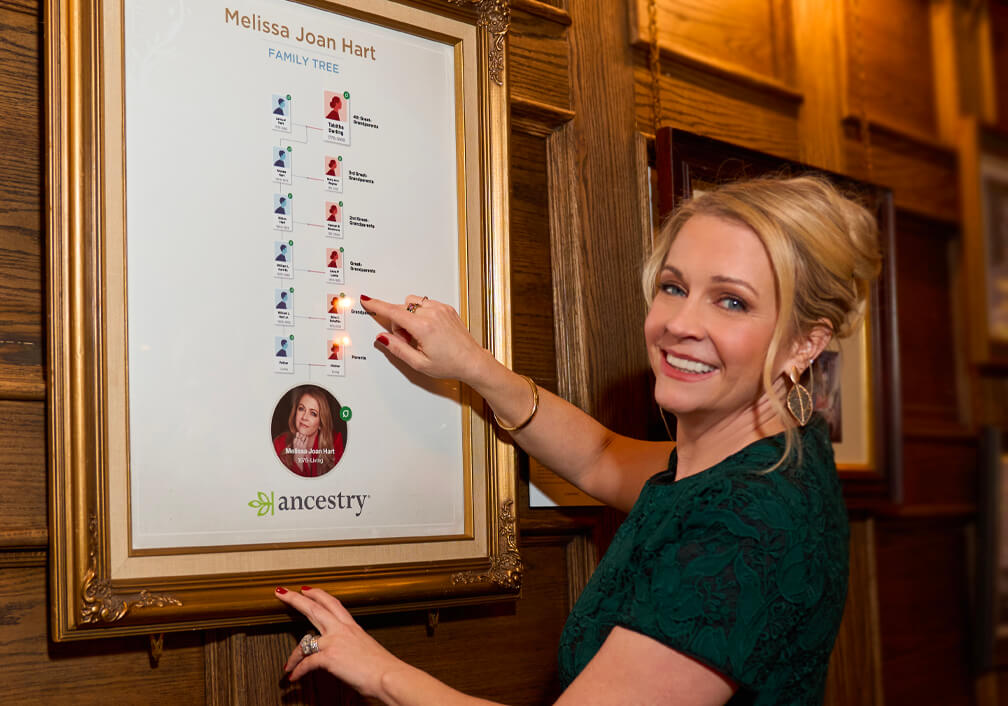 18 November 2025How Melissa Joan Hart is Using Ancestry to Make the Holidays More Meaningful
2 MIN READ
-
 13 November 2025Two New Podcast Series: “Behind the Headlines of History” and “Unclaimed”
2 MIN READ
-
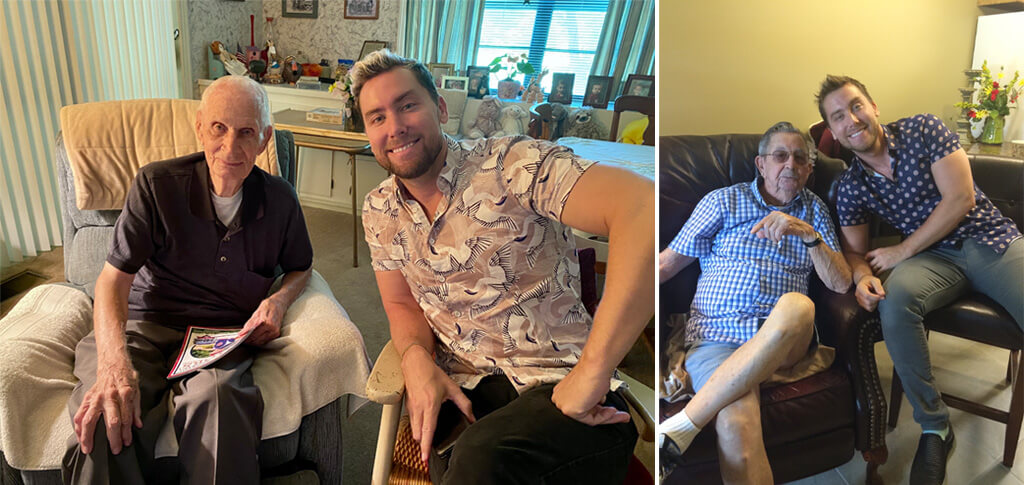 05 November 2025Lance Bass Partners with Ancestry to Honor His Grandfathers’ on Veterans Day
3 MIN READ
-
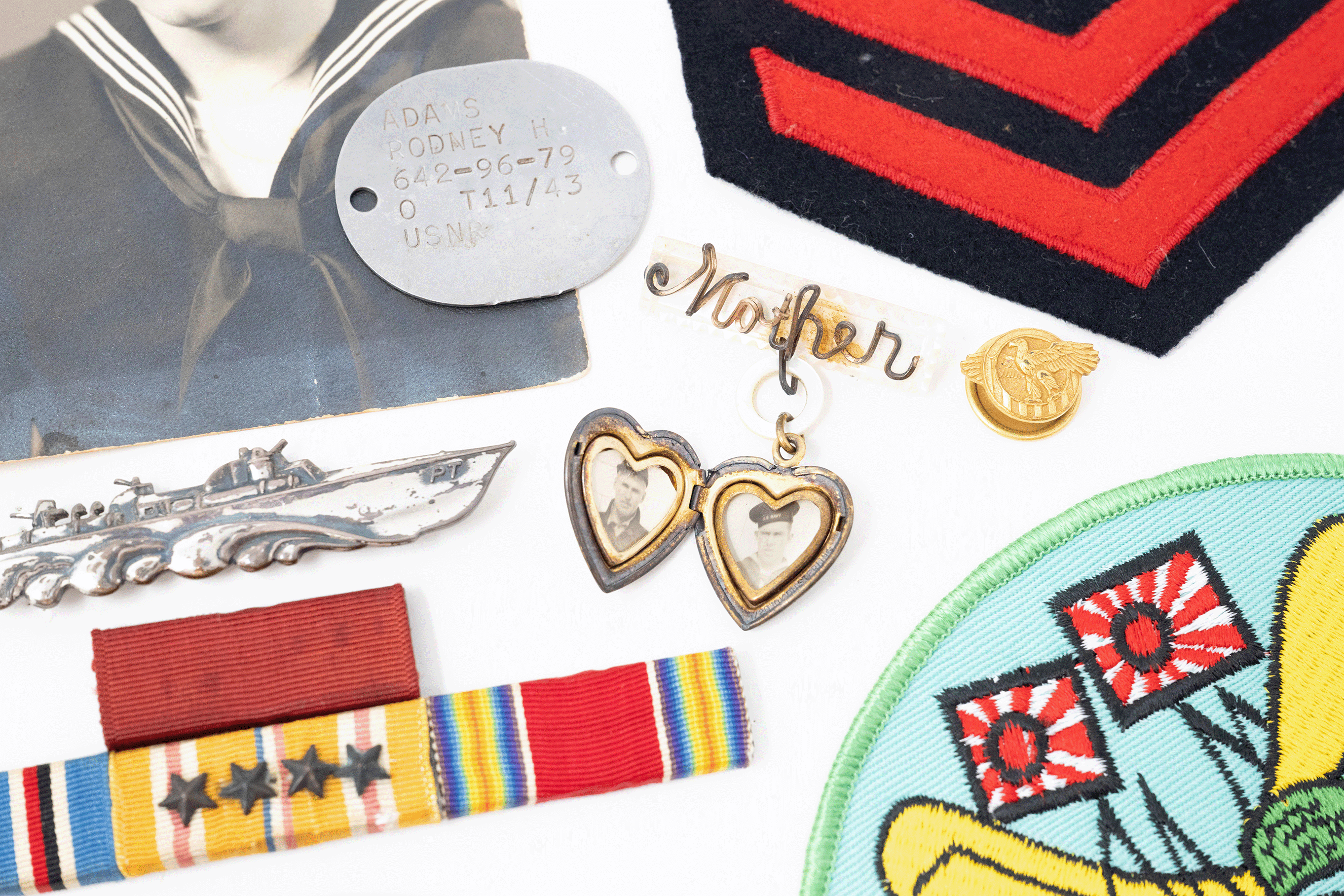 05 November 2025Preserving the Stories of WWII Heroes
3 MIN READ
-
 29 October 2025Ancestry and Wrexham AFC Team Up to Discover the "Story" in Your History
5 MIN READ
-
 27 October 20258 Celebs With Spooky Family Histories
5 MIN READ
-
 21 October 2025Introducing Custom Clusters: A Smarter Way to Find “Matches That Matter”
6 MIN READ
-
 14 October 2025Puerto Rican Civil Registration Marriage Records
4 MIN READ