The world’s largest online family history resource - Start now


RECENT POSTS
-
Understanding Civil Records in Germany -
Following Eastern Ukrainian DNA to North Dakota, USA -
How to Uncover the Women Who Built History -
Tracing the Legacy of Historically Black Colleges and Universities
GET THE LATEST
New posts + monthly newsletter.
RECENT POSTS
GET THE LATEST
New posts + monthly newsletter.
Key Takeaways
- In the late 1800s and early 1900s, Ukrainians migrated to North Dakota for farmland and opportunity under the Homestead Act.
- While they endured harsh prairie conditions, they also relied on close-knit, church-centered communities to survive and adapt.
- Ukrainian traditions and values took root and remain visible in North Dakota’s culture today.
DNA provides more than one map of your past.
By combining DNA and data from millions of family trees on Ancestry, ancestral journeys—a feature in your AncestryDNA test results—let you follow your relatives’ footsteps as they left homelands to make new homes around the world—like the Ukrainians who left for the open land of North Dakota.
 Immigration from Ukraine to North Dakota. Courtesy of Ancestry
Immigrants Make North Dakota Their Home
In the late 1800s and early 1900s, Ukrainian immigrants began arriving in North Dakota, drawn by the promise of farmland and a better life. Many came from parts of Ukraine under the control of the Austro-Hungarian and Russian Empires. Back home, land was scarce and opportunities were limited, especially for peasants. In the United States, the Homestead Act of 1862 offered 160 acres to anyone willing to farm it. For Ukrainians who had long dreamed of owning their own land, North Dakota’s wide-open prairies offered hope and freedom.
 Rounding cattle on the North Dakota range. 1905. Photo Courtesy of the LIbrary of Congress
Life on the plains wasn’t easy. The winters were brutal, the summers could be dry and dusty, and many newcomers didn’t speak English. Settlers often built homes out of sod or rough timber and relied heavily on their neighbors for help. Farming took hard work and long days, and isolation was a constant challenge. Ukrainian communities, however, quickly formed around churches, which became not just places of worship but also gathering spots for social events, weddings, and holidays. These tight-knit groups helped families survive and thrive in a demanding new environment.
Keeping Ukranian Traditions Alive
Even as they adapted to American life, Ukrainian immigrants held tightly to their traditions. They cooked familiar foods like borscht, holubtsi (stuffed cabbage rolls), and varenyky (dumplings). Music, dance, and embroidery remained important parts of family and community life. Over time, these traditions became part of North Dakota’s broader cultural mix, adding color and richness to small towns across the state.
 Hotel and general store in Wilton, North Dakota. 1890s. Photo Courtesy of North Dakota State Library
Today, the influence of those early settlers is still easy to find. Towns like Belfield, Wilton, and Dickinson are home to old Ukrainian churches with onion-shaped domes, and local festivals still celebrate Ukrainian heritage through food, dance, and song. Many descendants continue to honor their ancestors’ faith, family values, and work ethic. Interested in following your family's paper trail? Check out the record collections for North Dakota available on Ancestry.
AncestryDNA has identified more than 3,500 ancestral journeys, like the one that people from Eastern Ukraine took when they migrated to North Dakota. Follow your family’s genetic footsteps with an AncestryDNA test.
RELATED POSTS
-
 13 March 2026Understanding Civil Records in Germany
6 MIN READ
-
 10 March 2026Following Eastern Ukrainian DNA to North Dakota, USA
3 MIN READ
-
 04 March 2026How to Uncover the Women Who Built History
3 MIN READ
-
 26 February 2026Tracing the Legacy of Historically Black Colleges and Universities
5 MIN READ
-
 24 February 2026Finding Your Roots: “Artistic Roots” with Spike Lee and Kristin Chenoweth
2 MIN READ
-
 23 February 2026Looking Ahead to RootsTech 2026, Reflecting on 2025 Achievements
3 MIN READ
-
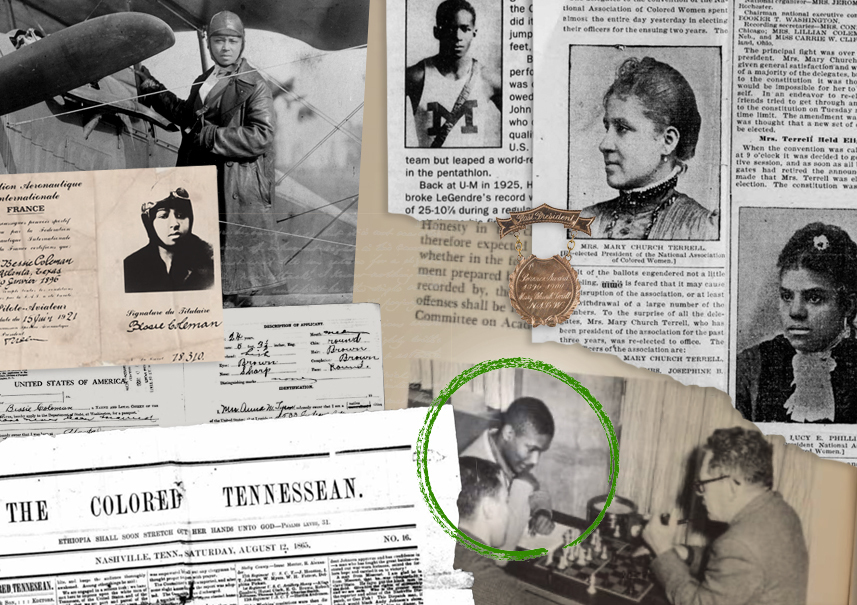 19 February 2026Discover Stories of Black History in Your Family Tree This Month
3 MIN READ
-
 17 February 2026Finding Your Roots: “Family Harmonies” with Flea and Lizzo
2 MIN READ
-
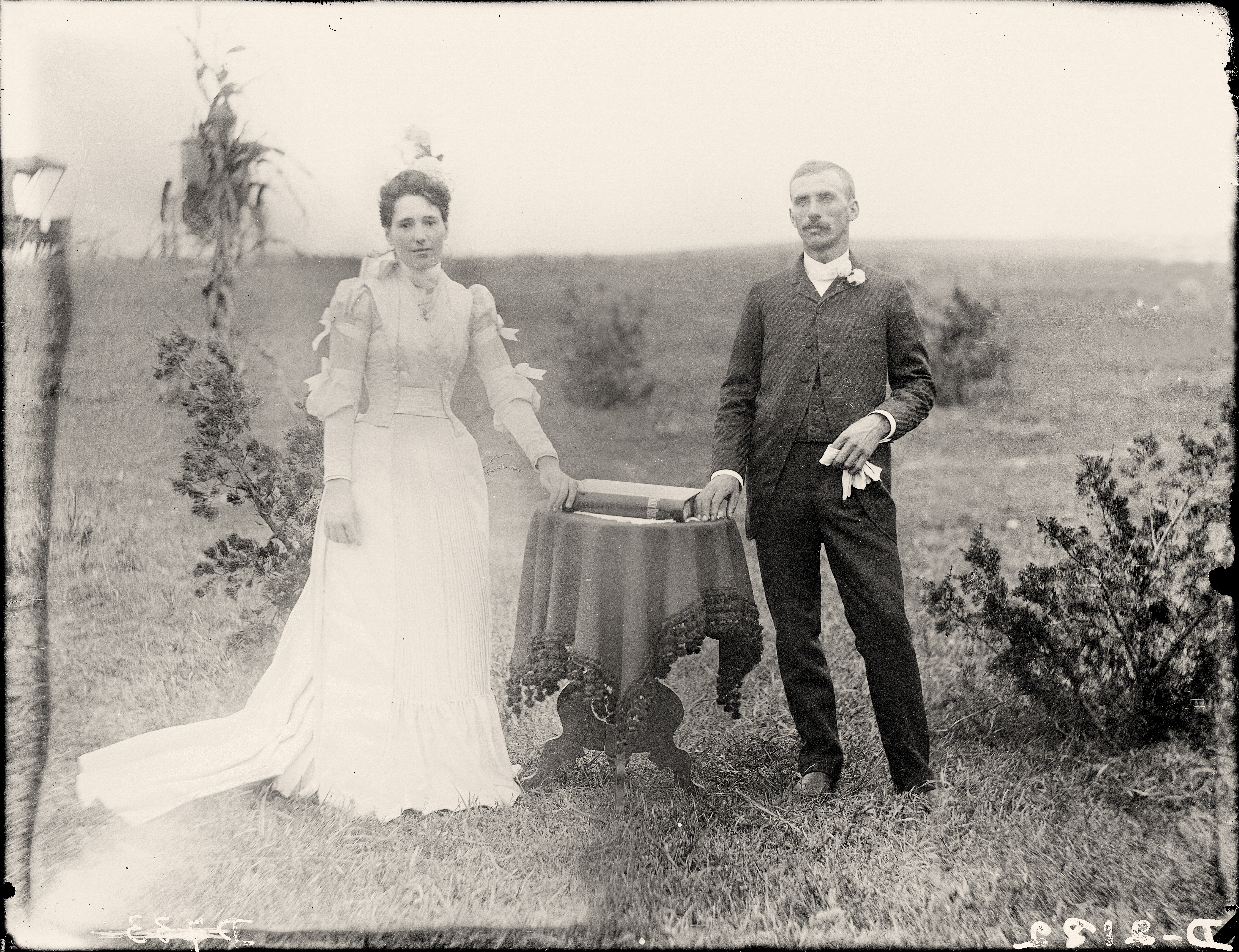 13 February 2026Did Your Great-Grandparents Date Through the Newspaper?
3 MIN READ
-
 10 February 2026Finding Your Roots: “Westward Bound” with Sara Haines and Tracy Letts
2 MIN READ
-
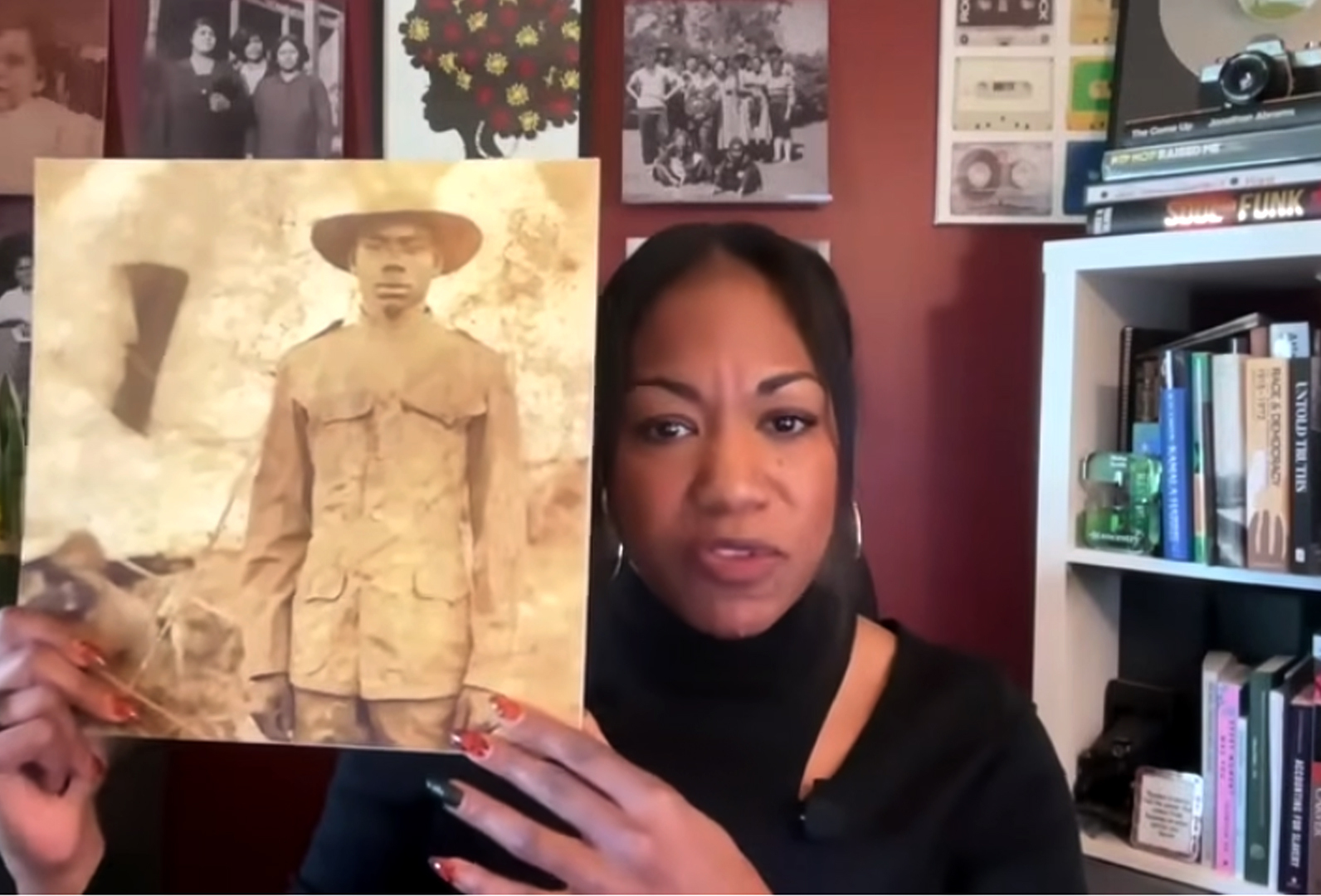 08 February 2026Webinar Series: Researching African American Ancestors
2 MIN READ
-
 05 February 2026Finding Your Roots: “Love & Basketball” with Brittney Griner and Chris Paul
2 MIN READ
-
 03 February 2026Ancestry Reunites Descendants of FDNY Hero and the Family He Saved
2 MIN READ
-
 27 January 2026Finding Your Roots: “The Road We Took” with Lizzy Caplan and Hasan Minhaj
2 MIN READ
-
 23 January 2026Honoring the Unforgettable: A Personal Path to Remembrance
2 MIN READ
-
 20 January 2026Finding Your Roots: “Caribbean Roots” with Liza Colón-Zayas and Delroy Lindo
2 MIN READ
-
 16 January 2026Celebrating Martin Luther King Jr. Day
3 MIN READ
-
 13 January 2026Finding Your Roots: “Great Migrations” with Wiz Khalifa and Sanaa Lathan
2 MIN READ
-
.jpg) 02 January 2026Finding Your Roots Season 12 Premiere
02 January 2026Finding Your Roots Season 12 Premiere2 MIN READ
-
 26 December 2025The Emancipation Proclamation and the Abolition of Slavery
5 MIN READ
-
 19 December 2025Using New Ancestral Journeys to Explore Your Latin American and Iberian Roots
5 MIN READ
-
 12 December 2025Family Traditions and Musical Expression
3 MIN READ
-
 05 December 2025Identifying Your French Ancestor's Birthplace in U.S. Records
5 MIN READ
-
 25 November 2025The Infinite Explorer: New Series on the Secret Threads that Shape Our World
2 MIN READ
-
 21 November 2025Virtual Travel as a Holiday (or Anytime) Gift
2 MIN READ