The world’s largest online family history resource - Start now


RECENT POSTS
-
Ancestry Reunites Descendants of FDNY Hero and the Family He Saved -
Finding Your Roots: “The Road We Took” with Lizzy Caplan and Hasan Minhaj -
Honoring the Unforgettable: A Personal Path to Remembrance -
Finding Your Roots: “Caribbean Roots” with Liza Colón-Zayas and Delroy Lindo
GET THE LATEST
New posts + monthly newsletter.
RECENT POSTS
GET THE LATEST
New posts + monthly newsletter.
Key Takeaways
- A major update to AncestryDNA® ethnicity estimates is coming in 2025, promising more precision for your origins.
- The update uses a new reference panel, expanding from 77,000 to over 2 million DNA samples for higher accuracy.
- Your ethnicity results will likely change, with updated percentages and the addition of new, more precise global regions.
The Ancestral Origins 2025 Update is here, and it’s our most exciting and detailed update yet. We're thrilled for you to explore the new insights into your family's story. With now more than 3,600 places around the world your DNA can connect you to, this update is a monumental step forward in understanding your genetic heritage.
So, what makes this update so special? We are launching 68 new and updated European regions, delivering even more granularity than ever before. Additionally, every AncestryDNA user gets their DNA re-analyzed during the update, which means you’re likely to see changes to the specific regions and percentages you see in your results.
Why do my DNA results change?
Your DNA itself stays the same, but our cutting-edge science and technology are always improving, and this update is a perfect reflection of that.
This year’s update is powered by an expanded reference panel—the massive database of DNA samples we compare your DNA to. We’re using a new combination of genetic and genealogical data to grow our reference panel to over 185,000 samples. This allows us to take many of the broader, existing regions and break them down into new, incredibly detailed ones.
What’s the new science?
In the past, we prioritized adding people to the reference panel who had taken a DNA test and linked that test to a detailed family tree. We were really interested in trees that went back several generations to the same place—a single country, or even a part of a country. Looking at these peoples’ DNA was a great way to find genetic patterns that were shared among people from specific geographic areas. However, it also limited how many people we could add into our reference panel, since lots of people haven’t linked their trees to their DNA tests.
 The family tree for a reference panel candidate (highlighted in yellow). The eldest ancestors in the tree (“terminal nodes”) were all born in the Scottish Highlands.
After extensive experimentation and investigation, we discovered that by making use of our own DNA test results, we could supplement AncestryDNA test takers who had trees with those who didn’t. Specifically, we started by looking at people who had detailed trees—ones that went back several generations—and noted the birthplaces of those ancestors. Then, we found other people with whom they shared lots of DNA and very similar Origins results. Even if those other people didn’t have trees, it was still a strong scientific probability that they shared very similar family origins to the people we did have detailed trees for.
How does the new science break down broad regions like Ireland?
Our new approach lets us boost the power of a few people with detailed trees and turn that into all new ancestral regions. Consider Ireland, for example, where this year we broke our previous single Ireland region into four new Ireland regions—Connacht, Donegal, Leinster, and Munster—and one Northern Ireland & Central Scotland region. In the past, we had lots of people whose trees pointed back to these four provinces, but not enough people to create separate reference panels for each to stand as their own ancestral region.
Using our new approach, we were able to find lots of people in our database who were genetically very related to those who had built trees, but maybe hadn’t yet built their own or linked their tree to a DNA test. By adding the genetic data for the people who didn’t have trees to those who did have trees, we finally had enough people to create separate reference panels for separate regions of Ireland.
 A single Ireland region in our 2024 version (left) is separated into four Ireland and one Northern Ireland & Central Scotland region in our 2025 version (right)
If you want to learn more about the science behind this year’s update, check out our new Ancestral Regions whitepaper.
What types of changes could I see in my results?
Many members may see some of their larger, more general regions broken down into multiple, more specific regions. For example:
- Our Eastern Europe region is now converted into multiple new regions like Northeastern Poland, Southern Poland, Eastern Czechia, Slovakia, and Western Ukraine.
- Our Germanic Europe region has been separated into more specific areas like Northwestern Germany and Southern Germanic Europe and Central and Eastern Europe.
This gives members incredible detail to where their ancestors may have lived, and where to take their family history research. If you’re curious about changes to specific regions check out our FAQ for more details.
You may also find yourself asking why a region you expect to see, based on your family tree, isn't showing up. It’s important to remember that the regions we identify are based on genetic populations, which often formed across modern geopolitical borders. The name of a region, like Northwestern Germany or Acadia, is a simple label for a complex genetic population that may span a wider area than you'd expect.
So, when you're exploring your new results, be sure to click into the region details and look at the actual polygon on the map, not just the name. This will show you all the places that this genetic population might cover and help you connect your DNA story with your family's history.
Why are my Ancestral Origins results organized differently?
To help you navigate the many new regions you may find in your results, we're introducing a new format called macro-regions. These are larger, stable groupings—such as “Nordic” or “Celtic & Gaelic”—under which your new, super-specific regions will be nested. This intuitive design makes your results easier to scan, helps preserve familiar regional identities, and provides all the incredible new regions' details.
 An example of five regions organized under a broader macro-region in a user’s results.
Your new AncestryDNA Origins update has arrived, what new discoveries can you make? Plus, be sure to check out your Regions by Parent, showing you which regions you inherited from each parent, just one of many features powered by our innovative SideView* technology.
*Some AncestryDNA features may require an Ancestry subscription.
RELATED POSTS
-
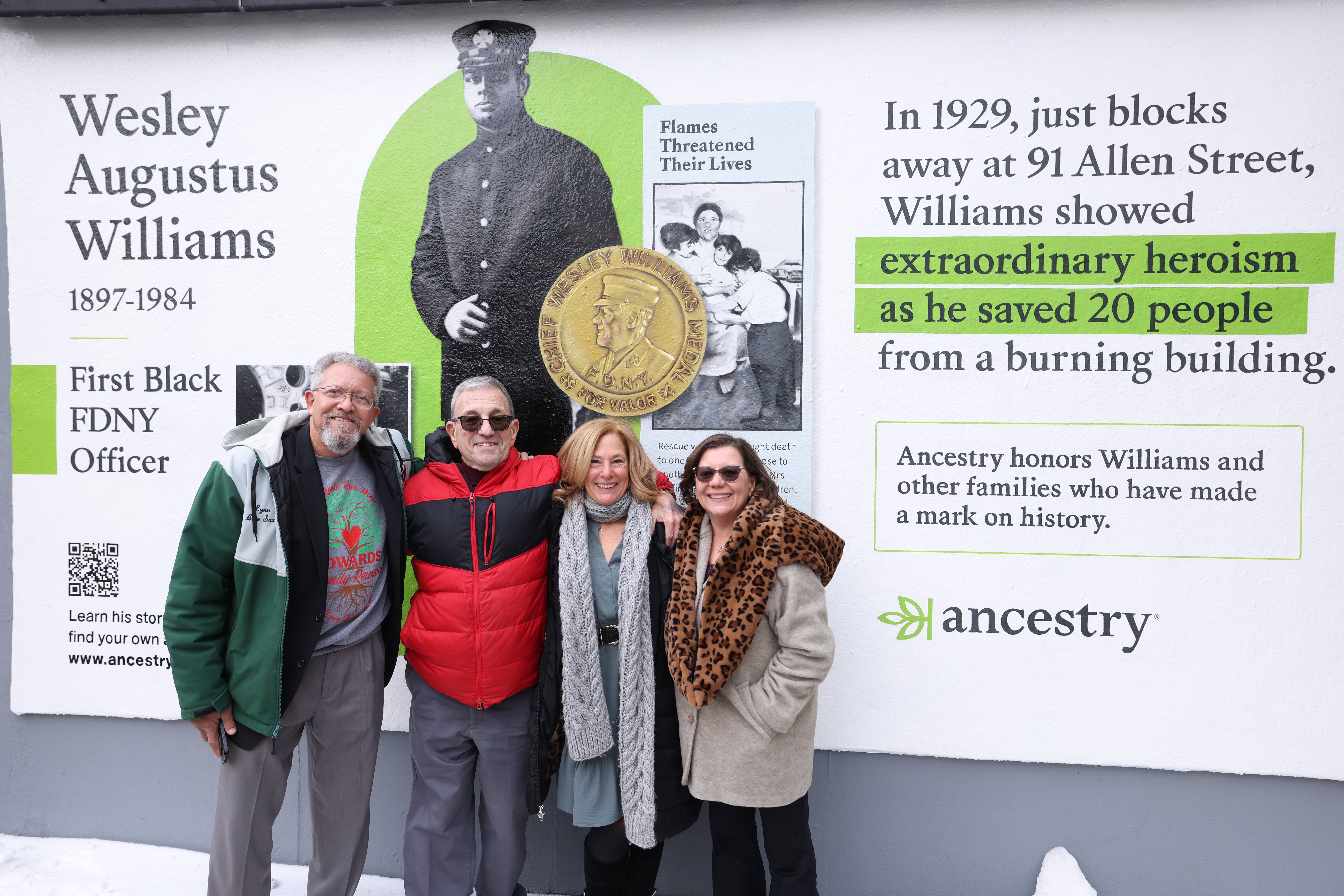 03 February 2026Ancestry Reunites Descendants of FDNY Hero and the Family He Saved
2 MIN READ
-
 27 January 2026Finding Your Roots: “The Road We Took” with Lizzy Caplan and Hasan Minhaj
2 MIN READ
-
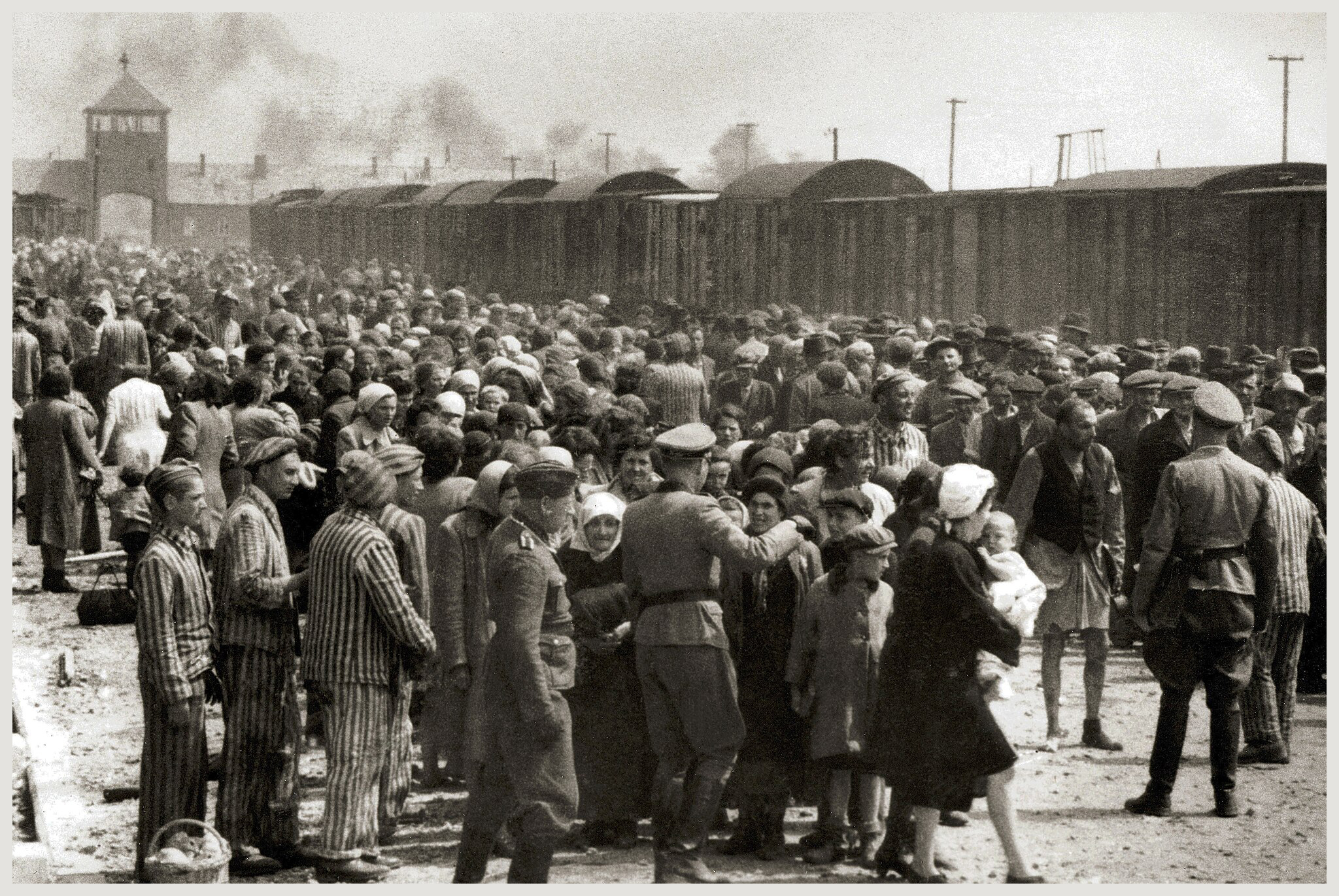 23 January 2026Honoring the Unforgettable: A Personal Path to Remembrance
2 MIN READ
-
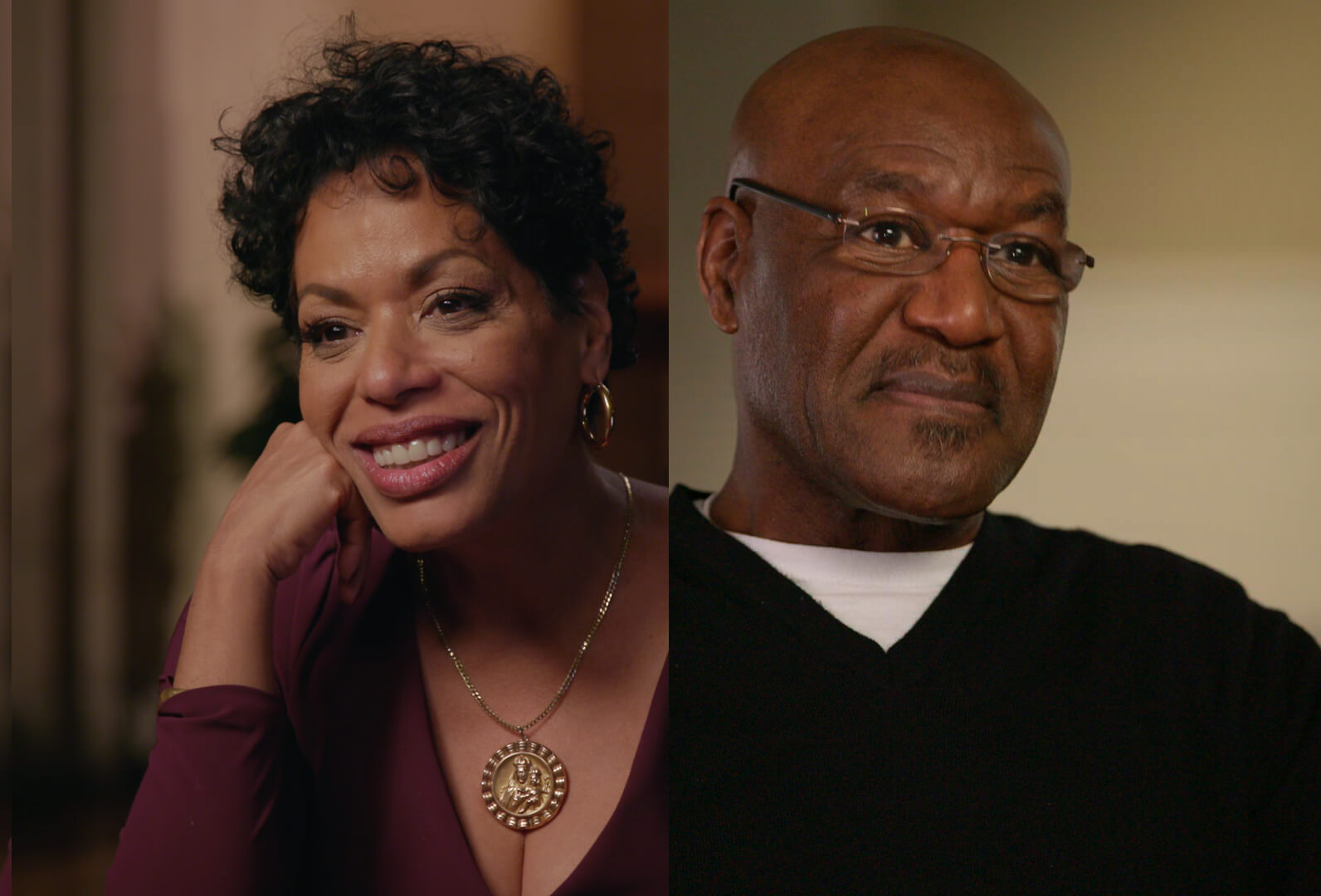 20 January 2026Finding Your Roots: “Caribbean Roots” with Liza Colón-Zayas and Delroy Lindo
2 MIN READ
-
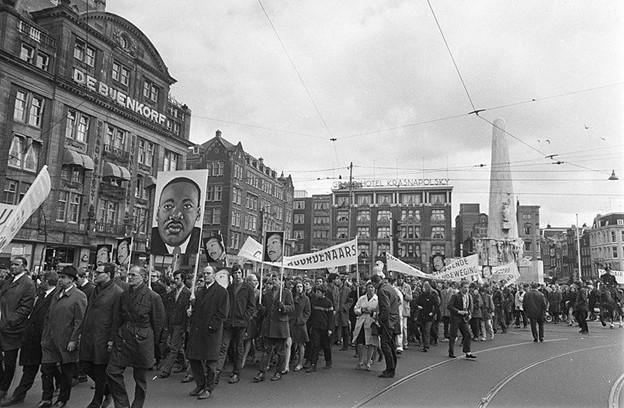 16 January 2026Celebrating Martin Luther King Jr. Day
3 MIN READ
-
 13 January 2026Finding Your Roots: “Great Migrations” with Wiz Khalifa and Sanaa Lathan
2 MIN READ
-
.jpg) 02 January 2026Finding Your Roots Season 12 Premiere
02 January 2026Finding Your Roots Season 12 Premiere2 MIN READ
-
 26 December 2025The Emancipation Proclamation and the Abolition of Slavery
5 MIN READ
-
 19 December 2025Using New Ancestral Journeys to Explore Your Latin American and Iberian Roots
5 MIN READ
-
 12 December 2025Family Traditions and Musical Expression
3 MIN READ
-
 05 December 2025Identifying Your French Ancestor's Birthplace in U.S. Records
5 MIN READ
-
 25 November 2025The Infinite Explorer: New Series on the Secret Threads that Shape Our World
2 MIN READ
-
 21 November 2025Virtual Travel as a Holiday (or Anytime) Gift
2 MIN READ
-
 18 November 2025How Melissa Joan Hart is Using Ancestry to Make the Holidays More Meaningful
2 MIN READ
-
 13 November 2025Two New Podcast Series: “Behind the Headlines of History” and “Unclaimed”
2 MIN READ
-
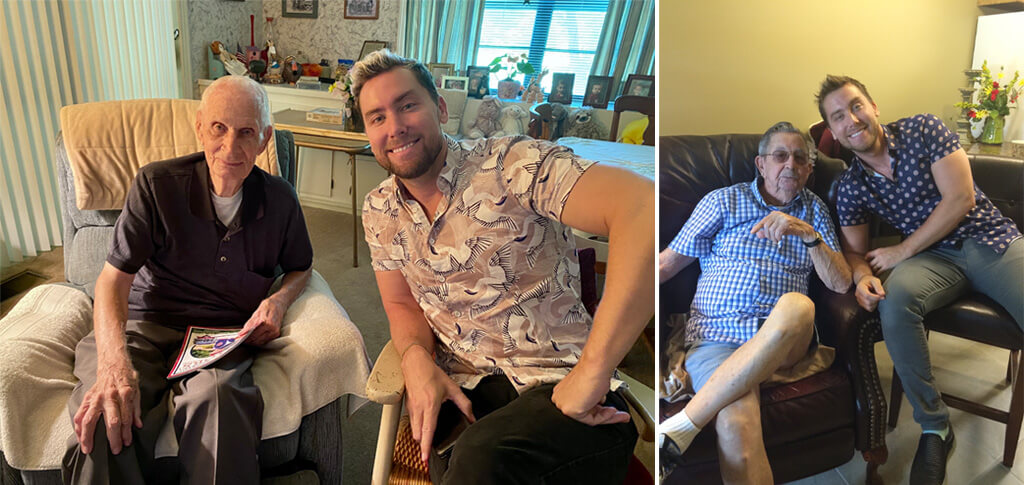 05 November 2025Lance Bass Partners with Ancestry to Honor His Grandfathers’ on Veterans Day
3 MIN READ
-
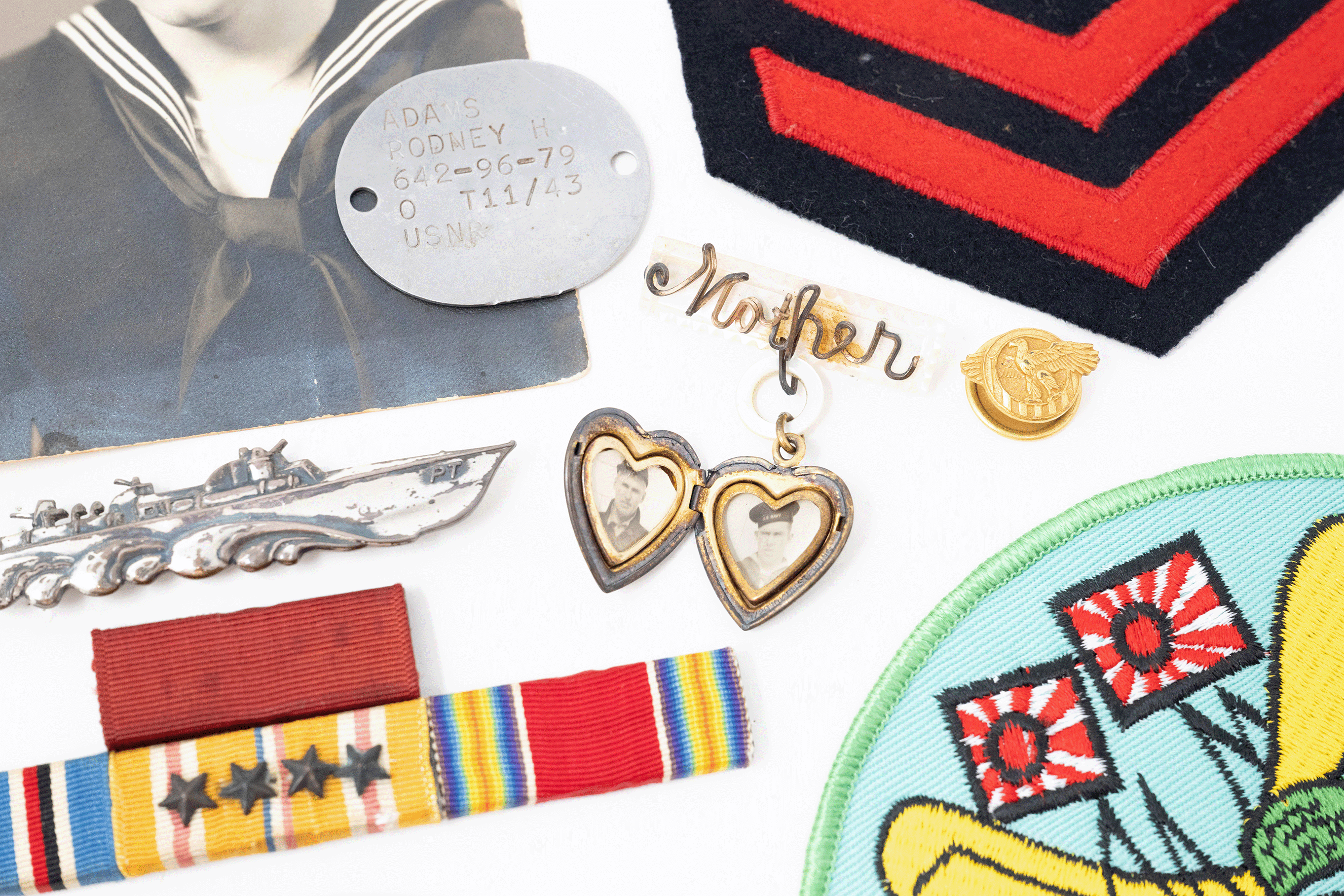 05 November 2025Preserving the Stories of WWII Heroes
3 MIN READ
-
 29 October 2025Ancestry and Wrexham AFC Team Up to Discover the "Story" in Your History
5 MIN READ
-
 27 October 20258 Celebs With Spooky Family Histories
5 MIN READ
-
 21 October 2025Introducing Custom Clusters: A Smarter Way to Find “Matches That Matter”
6 MIN READ
-
 14 October 2025Puerto Rican Civil Registration Marriage Records
4 MIN READ
-
 09 October 2025Deep Dive: AncestryDNA 2025 Origins Update
5 MIN READ
-
 03 October 2025October is Filipino American History Month
5 MIN READ
-
 30 September 2025French Last Names: Origins and Meanings
6 MIN READ
-
 15 September 2025Hispanic Heritage Month
5 MIN READ