The world’s largest online family history resource - Start now


RECENT POSTS
-
Understanding Civil Records in Germany -
Following Eastern Ukrainian DNA to North Dakota, USA -
How to Uncover the Women Who Built History -
Tracing the Legacy of Historically Black Colleges and Universities
GET THE LATEST
New posts + monthly newsletter.
RECENT POSTS
GET THE LATEST
New posts + monthly newsletter.
Key Takeaways
- The Holocaust was the systematic, state-sponsored persecution and murder of six million Jewish people by Nazi Germany and its collaborators.
- Connecting with the Holocaust’s human cost is possible by exploring individual stories to ensure their memories endure.
- Ancestry provides free access to millions of records from partners like the Arolsen Archives to research family experiences.
The Holocaust, known in Hebrew as the Shoah, was the systematic, state-sponsored persecution and murder of six million Jewish men, women, and children by Nazi Germany and its collaborators. While the annihilation of the Jews was the central aim of the Nazi’s antisemitic ideology, their campaign to enforce a so-called “master race” also led to the persecution and murder of millions of others. This included Poles and other Slavic peoples, the Romani and Sinti, people with disabilities, LGBTQ+ individuals, and political dissidents in a wave of hatred that engulfed a continent.
To ensure the lessons of this history are never forgotten, the United Nations designated January 27—the anniversary of the liberation of Auschwitz-Birkenau—as International Holocaust Remembrance Day. This annual observance calls on us to honor the victims and reflect on the causes of the genocide.
While understanding the historical scale of the Holocaust is essential, it’s through individual stories that we can truly connect with its human cost. Exploring the experiences of those who were targeted—whether in our own families or a name we learn for the first time—is a powerful way to bear witness and ensure their memories endure.
 Click image to expand view

Holocaust History: A Calculated Path to Genocide
The Holocaust was not a single event but the culmination of a deliberate escalation of hate, made possible by a specific moment in history. Rising from the severe political and economic turmoil that engulfed Germany after World War I, the Nazi Party took power in 1933. They immediately began to weaponize centuries-old antisemitism, using powerful propaganda to scapegoat Jewish people as the cause of the nation's struggles.
The path to genocide was methodical. It began with dehumanizing legislation like the 1935 Nuremberg Laws, which stripped Jews of their citizenship, and erupted into state-sanctioned violence during the Kristallnacht (“Night of Broken Glass”) pogrom of 1938.
With the outbreak of World War II, the persecution escalated into mass murder. The regime forced Jews into overcrowded ghettos, deployed mobile killing squads (Einsatzgruppen) to murder entire communities, and established a vast network of concentration and forced-labor camps.
This brutal campaign culminated in the “Final Solution,” the state-sponsored plan for the genocide of the Jewish people, which was systematically carried out in purpose-built extermination camps.
Restoring Humanity by Moving from Numbers to Names
The history of the Holocaust is one of overwhelming scale, detailing the systematic destruction of millions of individual lives and an entire world of culture, tradition, and community. Faced with this immensity, it can be difficult to know how to honor the victims in a way that feels meaningful. For many, a powerful answer lies in turning from the vastness of the event to the story of a single person.
Exploring this history through your own family is one way to make that connection, grounding a global tragedy in a legacy that is yours to carry forward. These personal histories reveal the human reality behind the statistics.
Research might trace a family’s difficult journey as they sought to emigrate, or it might document their lives within a ghetto. Records may also shed light on acts of spiritual and physical resistance, or help you understand the fate of a relative within the vast network of Nazi camps and killing sites.
Expanded Access to Records through Ancestry Partnerships
Piecing together this history is now more possible than ever. Through dedicated partnerships, Ancestry provides free access to millions of records that can help illuminate your family's experience during the Holocaust.
- The Arolsen Archives hold a vast collection of documents on Nazi persecution, containing information on millions of victims. This month, more than 10 million new Holocaust-related records are now available on Ancestry, including:
- Concentration camp lists, which are now fully indexed. These lists feature more than 8 million records and 500,000 images.
- The tracing and documentation files, which now include more than 2 million records related to postwar inquiries to the International Tracing Service regarding the fates of those persecuted by the Nazi regime.
- The USC Shoah Foundation provides access to nearly 50,000 video testimonies from survivors, enabling you to hear the stories of this generation in their own words.
- Collections from JewishGen and the United States Holocaust Memorial Museum (USHMM) provide crucial data to help you trace the movements and fates of individuals and entire communities.
By searching these records, you do more than just build a family tree. You reclaim the names, honor the memories, and bear witness to the lives of those who were targeted. It is a profound act of remembrance that keeps their stories alive for future generations.
-
https://encyclopedia.ushmm.org/content/en/article/life-in-shadows-hidden-children-and-the-holocaust
https://encyclopedia.ushmm.org/content/en/article/mosaic-of-victims-an-overview
https://www.coe.int/en/web/holocaust/holocaust-remembrance-day
https://www.ushmm.org/teach/fundamentals/holocaust-questions
https://www.ushmm.org/learn/holocaust/from-citizens-to-outcasts-1933-1938
https://www.archives.gov/publications/prologue/2010/winter/nuremberg.html
https://encyclopedia.ushmm.org/content/en/article/nuremberg-laws
https://encyclopedia.ushmm.org/content/en/article/kristallnacht
https://www.annefrank.org/en/timeline/212/ghettos-in-occupied-poland/
https://www.ushmm.org/m/pdfs/20000831-resistance-bklt.pdf
Image 1: https://commons.wikimedia.org/wiki/File:Selection_on_the_ramp_at_Auschwitz-Birkenau,_1944_(Auschwitz_Album)_1a.jpg
Image 2: https://www.ancestry.com/imageviewer/collections/61758/images/0001_85920320_1
RELATED POSTS
-
 13 March 2026Understanding Civil Records in Germany
6 MIN READ
-
 10 March 2026Following Eastern Ukrainian DNA to North Dakota, USA
3 MIN READ
-
 04 March 2026How to Uncover the Women Who Built History
3 MIN READ
-
 26 February 2026Tracing the Legacy of Historically Black Colleges and Universities
5 MIN READ
-
 24 February 2026Finding Your Roots: “Artistic Roots” with Spike Lee and Kristin Chenoweth
2 MIN READ
-
 23 February 2026Looking Ahead to RootsTech 2026, Reflecting on 2025 Achievements
3 MIN READ
-
 19 February 2026Discover Stories of Black History in Your Family Tree This Month
3 MIN READ
-
 17 February 2026Finding Your Roots: “Family Harmonies” with Flea and Lizzo
2 MIN READ
-
 13 February 2026Did Your Great-Grandparents Date Through the Newspaper?
3 MIN READ
-
 10 February 2026Finding Your Roots: “Westward Bound” with Sara Haines and Tracy Letts
2 MIN READ
-
 08 February 2026Webinar Series: Researching African American Ancestors
2 MIN READ
-
 05 February 2026Finding Your Roots: “Love & Basketball” with Brittney Griner and Chris Paul
2 MIN READ
-
 03 February 2026Ancestry Reunites Descendants of FDNY Hero and the Family He Saved
2 MIN READ
-
 27 January 2026Finding Your Roots: “The Road We Took” with Lizzy Caplan and Hasan Minhaj
2 MIN READ
-
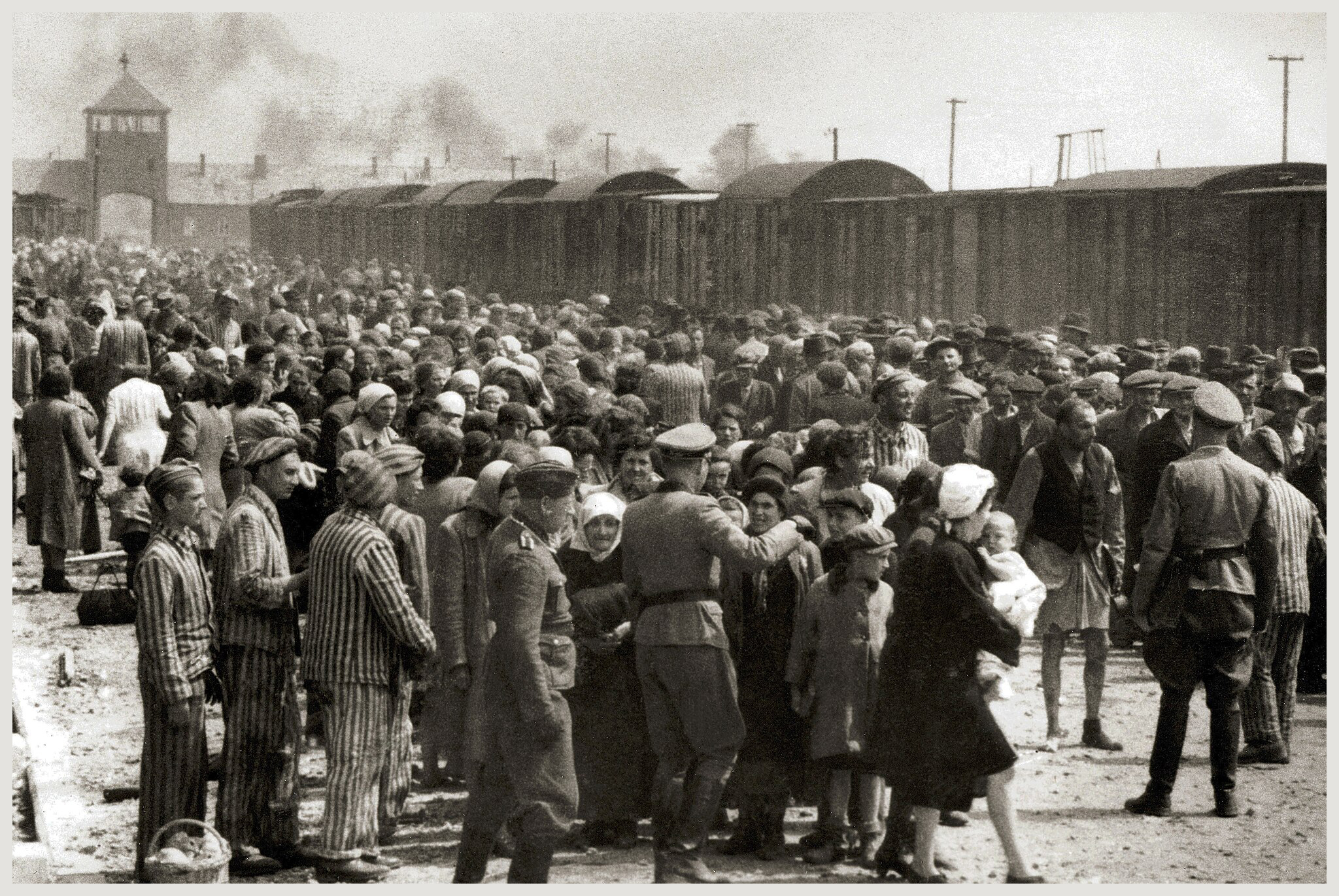 23 January 2026Honoring the Unforgettable: A Personal Path to Remembrance
2 MIN READ
-
 20 January 2026Finding Your Roots: “Caribbean Roots” with Liza Colón-Zayas and Delroy Lindo
2 MIN READ
-
 16 January 2026Celebrating Martin Luther King Jr. Day
3 MIN READ
-
 13 January 2026Finding Your Roots: “Great Migrations” with Wiz Khalifa and Sanaa Lathan
2 MIN READ
-
.jpg) 02 January 2026Finding Your Roots Season 12 Premiere
02 January 2026Finding Your Roots Season 12 Premiere2 MIN READ
-
 26 December 2025The Emancipation Proclamation and the Abolition of Slavery
5 MIN READ
-
 19 December 2025Using New Ancestral Journeys to Explore Your Latin American and Iberian Roots
5 MIN READ
-
 12 December 2025Family Traditions and Musical Expression
3 MIN READ
-
 05 December 2025Identifying Your French Ancestor's Birthplace in U.S. Records
5 MIN READ
-
 25 November 2025The Infinite Explorer: New Series on the Secret Threads that Shape Our World
2 MIN READ
-
 21 November 2025Virtual Travel as a Holiday (or Anytime) Gift
2 MIN READ